
Helping Children Step into the World of Triathlon
Introducing children to triathlon can support the development of physical fitness, discipline, and confidence. A structured and age-appropriate approach ensures a positive and safe experience in the sport.
Why Triathlon for Children?
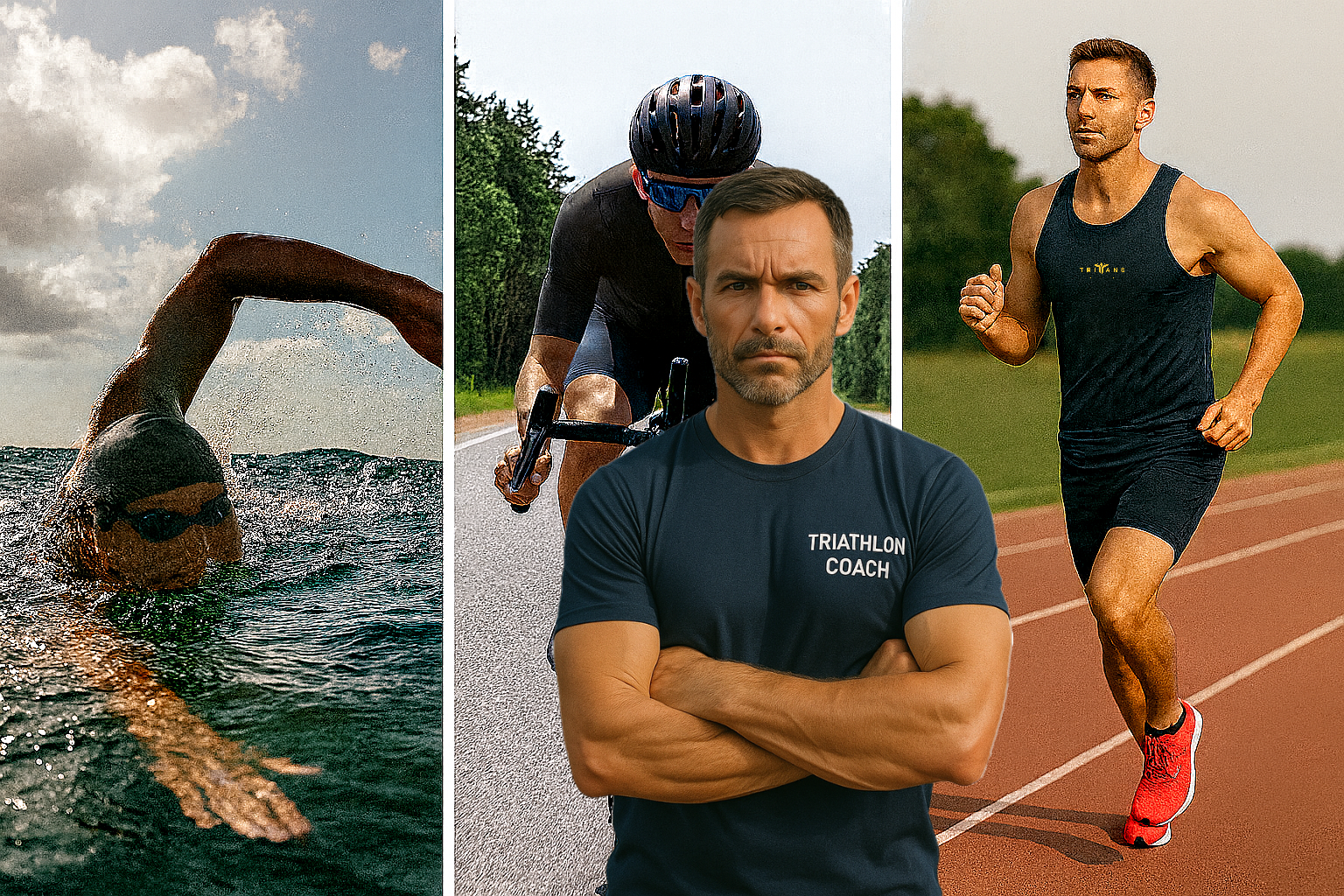
Triathlon combines swimming, cycling, and running — all fundamental movement skills. It promotes:
- Balanced physical development
- Cardiovascular endurance
- Coordination and motor skill enhancement
- Enjoyment through variety and non-specialized movement
Age-Appropriate Entry
Children can begin participating in triathlon-related activities as early as 6–7 years old, depending on maturity and local event regulations.
- Ages 6–9: Focus on general movement skills, short distances, and games
- Ages 10–12: Introduction to structured training, improved technical work
- Ages 13–15: Gradual increase in training load and event-specific preparation
Equipment and Safety
Key considerations for junior participants:
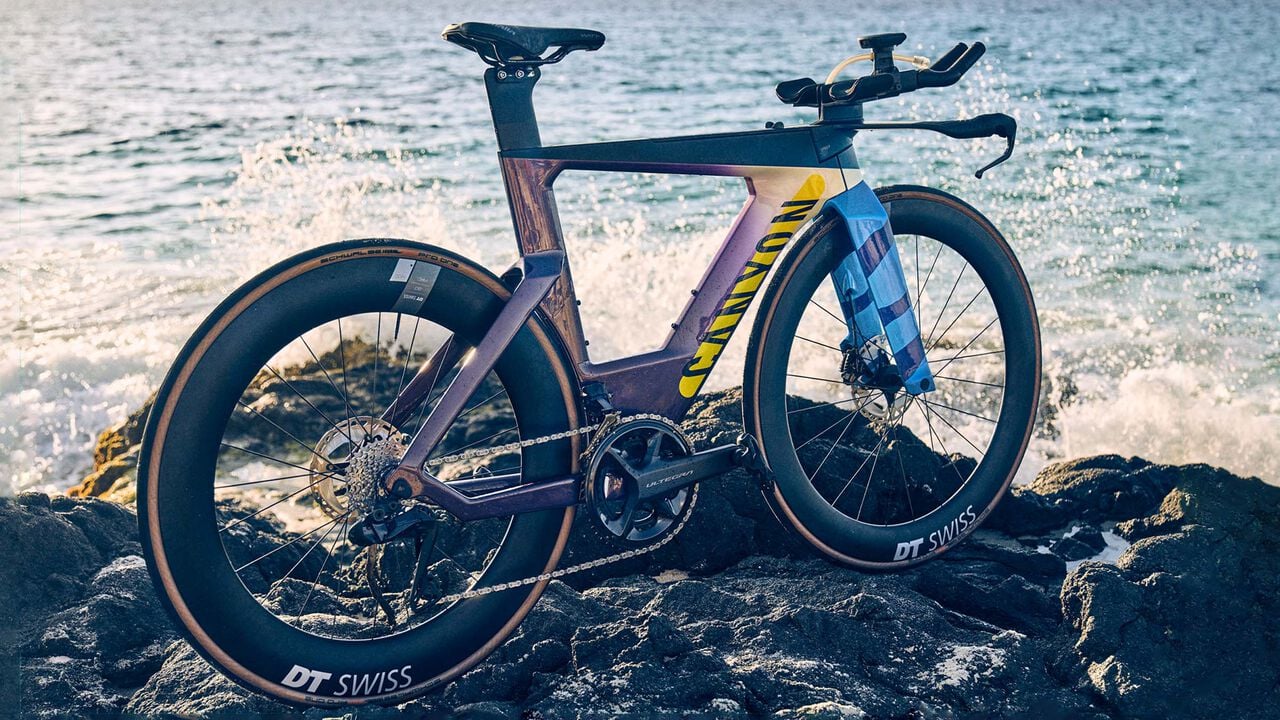
- Bike: Age-appropriate size, basic gears, and functioning brakes
- Helmet: Certified and properly adjusted
- Running shoes: Cushioned and suitable for multi-surface use
- Swimwear: Comfortable and secure; goggles recommended
- Event rules: Check local race requirements (draft-legal vs. non-drafting)
All sessions should include warm-up, cool-down, and hydration breaks.
Training Principles
Training for children should prioritize:
- Variety and fun over specialization
- Technical skill development
- Moderate volume with low intensity
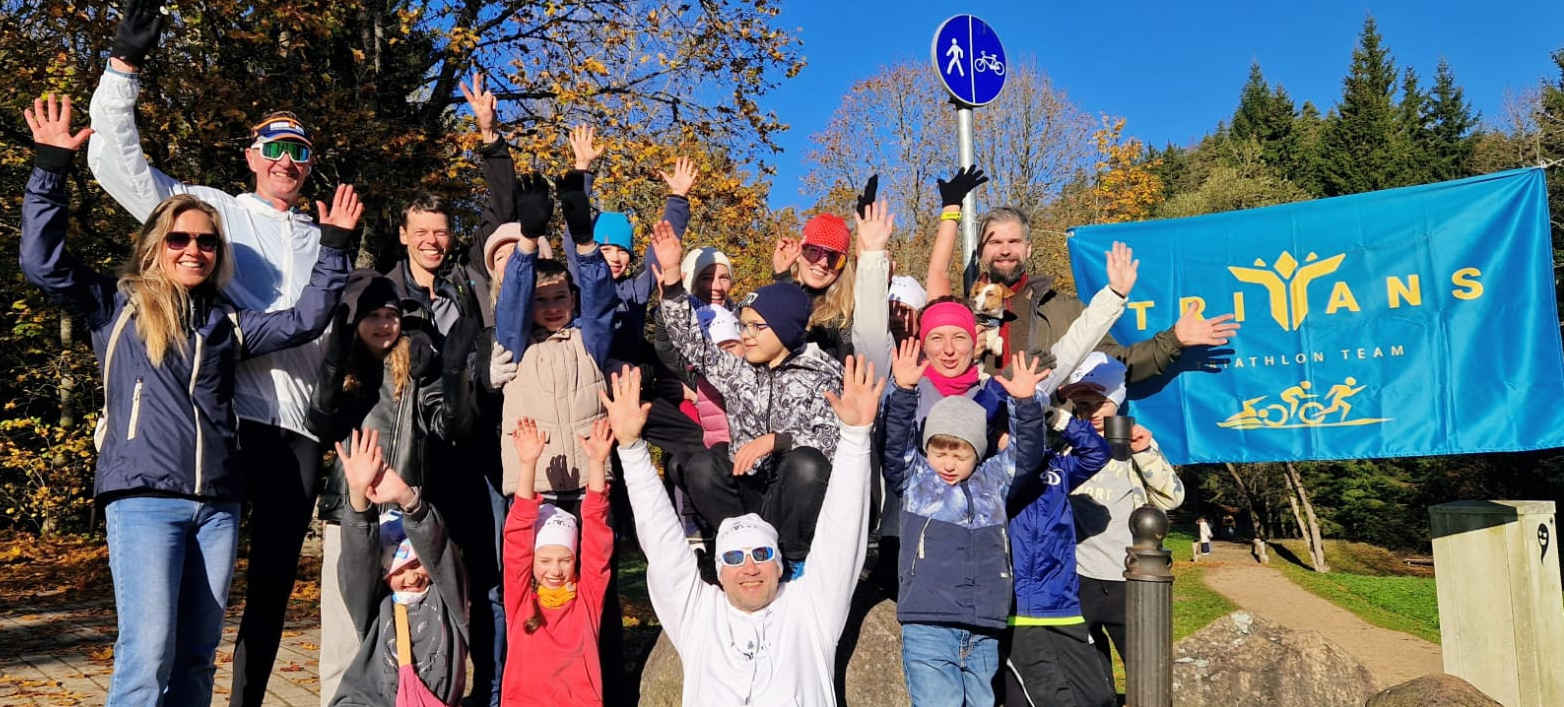
- Positive group dynamics and inclusive environment
Each session should be adapted to attention span, energy levels, and experience.
Events and Competition
Youth triathlons are typically non-competitive or focused on participation. Emphasis should be placed on:
- Finishing the course safely
- Learning race logistics (transitions, pacing)
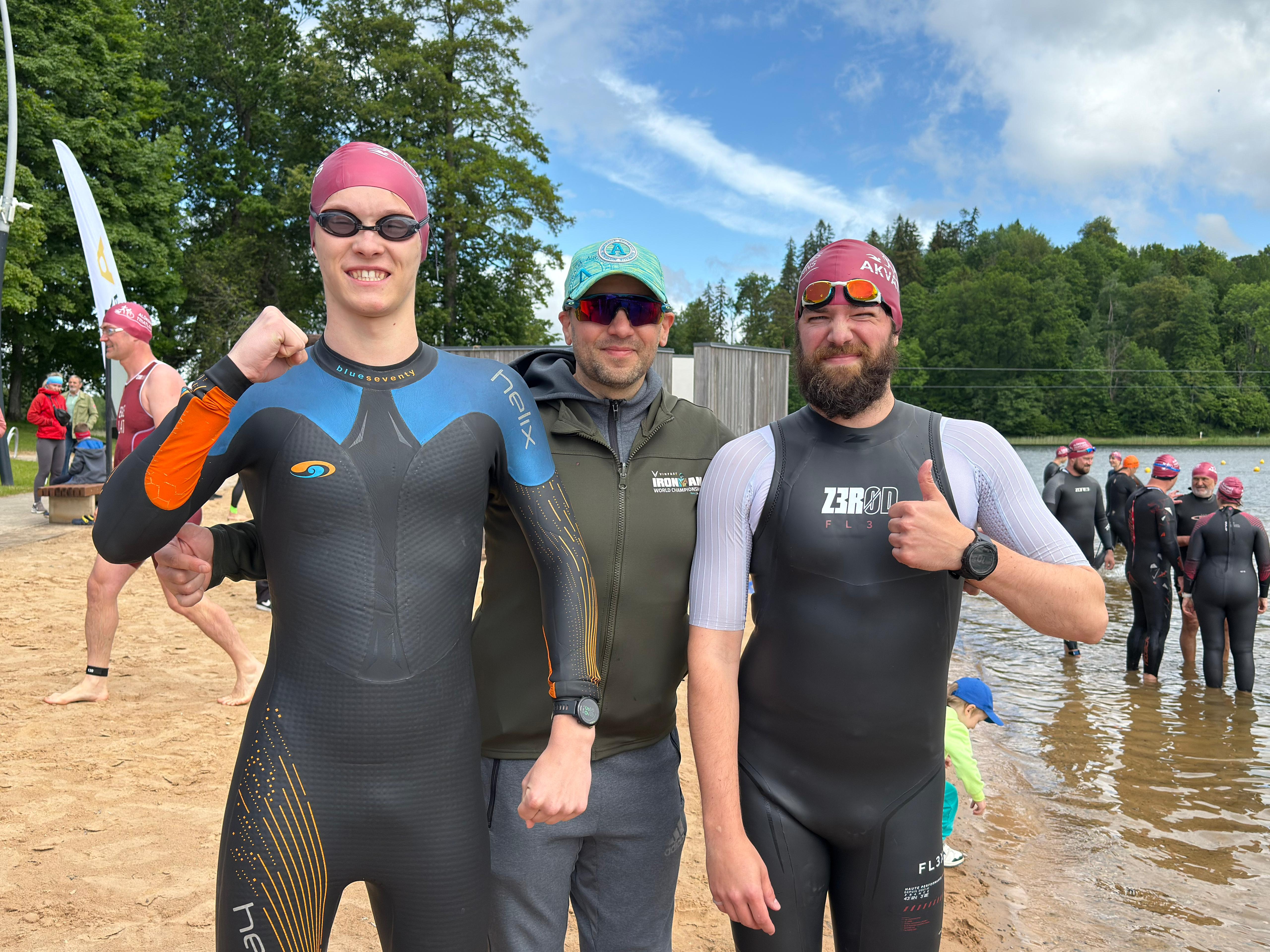
- Experiencing a multisport format in a supportive environment
For older or more experienced children, local and regional events can provide progression opportunities.
Role of Parents and Coaches
Adults play a key role in early triathlon exposure:
- Provide logistical and emotional support
- Reinforce process over results
- Monitor signs of overtraining or disinterest
- Encourage self-paced development
Summary
Triathlon offers a structured yet flexible environment for children to explore endurance sports. With age-appropriate training, proper equipment, and positive reinforcement, children can safely enter and grow within the sport.
Programs that prioritize fun, safety, and long-term development are most effective in supporting young athletes.