How to Choose a Bike for Triathlon
Choosing the right bike for triathlon depends on your experience level, budget, and race goals. Here's a step-by-step guide for beginners, juniors, and seasoned athletes:
1. Understand the Three Main Types of Bikes
- Road Bike Ideal for beginners and kids. Lightweight, versatile, and allowed in most triathlon competitions.
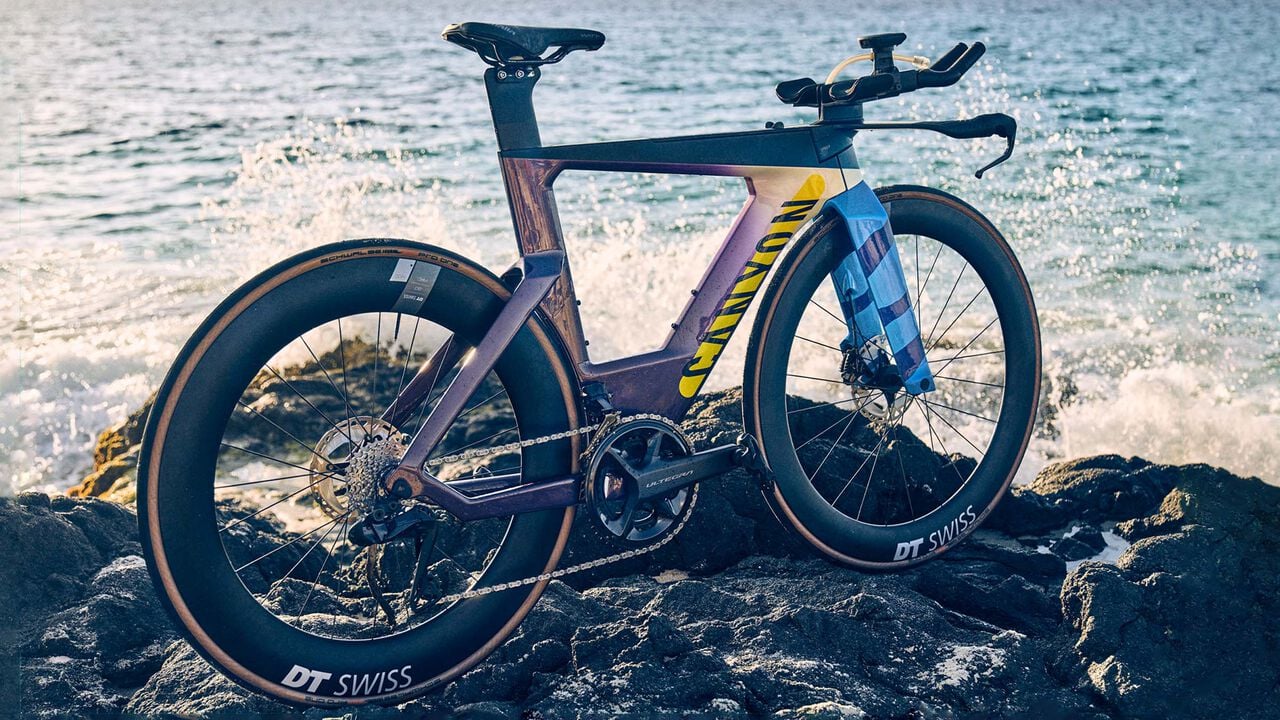
- Triathlon/TT Bike Designed for speed with aerodynamic geometry. Better for experienced athletes focused on performance.
- Gravel/Hybrid Bikes Less common in triathlons but suitable for training or youth riders on mixed terrain.
2. Fit Matters More Than Brand
No matter the model, a properly fitted bike is essential. It reduces injury risk and increases efficiency. For juniors, regular adjustments are needed as they grow.
- Consider a professional bike fit.
- For kids, choose bikes with adjustable components and lighter frames.
3. Budget Smartly
- Entry-Level: $500–$1,500 (great for youth and new adult triathletes)
- Mid-Range: $1,500–$3,500 (better components, suitable for racing)
- High-End: $4,000+ (carbon frames, aero wheels, electronic shifting)
💡 Tip: Don't overspend at the start. You can upgrade parts like wheels or the saddle later.
4. Think About Race Distance
- Short-distance (Sprint/Youth): Road bikes are perfect.
- Olympic/70.3/Ironman: Consider a dedicated triathlon bike for improved aerodynamics and time savings.
5. Kids and Juniors: Special Considerations
- Use age-appropriate bike sizes (not “they’ll grow into it!”).
- Prioritize safety, comfort, and gearing suitable for small legs.
- Some races require specific bike types — check event rules.
6. Must-Have Accessories
- Helmet (certified and properly fitted)
- Clipless pedals (when ready)
- Bottle cage(s)
- Flat kit (spare tube, CO₂, tire levers)
- Aero bars (optional for road bikes in non-drafting races)
Final Advice
Start with a bike that fits your goals right now. As you or your child progress, upgrades will make more sense. And remember: training matters more than the bike! 🚴♂️
If you're unsure, reach out for a bike fit session or personal recommendation — we help triathletes of all levels make smart equipment choices.